PIECES OF PHYSICAL EVIDENCE PLACING HIM IN THE HOUSE
IN THE BOOK · 27 The System’s Contradictions
CLARANCE GOODE JR. ISINNOCENT.
No DNA. No fingerprints. No forensic trace. No recovered weapon. A conviction built on changing stories and planted evidence.
NO DNA — NO FINGERPRINTS — NO WEAPON — NO EYEWITNESS — CHANGING TESTIMONY — A DETECTIVE CONVICTED OF PLANTING EVIDENCE — NO DNA — NO FINGERPRINTS — NO WEAPON — NO EYEWITNESS — CHANGING TESTIMONY — A DETECTIVE CONVICTED OF PLANTING EVIDENCE —
WEAPONS EVER RECOVERED AND TIED TO HIM
IN THE BOOK · 24 The Missing EvidenceDNA MATCHES TYING HIM TO THE CRIME
IN THE BOOK · 27 The System’s ContradictionsCONVICTIONS OVERTURNED IN DETECTIVE HENDERSON’S WAKE
IN THE BOOK · 22 The Planted EvidenceTwenty lines
from the book.
“The state of Oklahoma is preparing to kill him for three murders he did not commit.”
IN THE BOOK · 02 Introduction
“No DNA linked Clarance to the crime scene.”
IN THE BOOK · 27 The System’s Contradictions
“His phone records proved that they could not have been together at the time the crime took place.”
IN THE BOOK · 17 The Weight of Truth
“At the time the murders took place, Clarance was at Michael Scott's house. Michael signed an affidavit confirming this.”
IN THE BOOK · 30 The Real Timeline
“His mother and his brother's girlfriend both testified that he spent the night there.”
IN THE BOOK · 30 The Real Timeline
“By the time Kenneth called Clarance for help with a passed-out Ronald, the crime had already been committed.”
IN THE BOOK · 30 The Real Timeline
“In those interviews, she told investigators again and again that Clarance had nothing to do with what happened.”
IN THE BOOK · 23 The Corruption Runs Deep
“She asked, by name, why they kept bringing him up when he had nothing to do with it.”
IN THE BOOK · 24 The Missing Evidence
“Legal documentation placed the murders hours later, around one or two in the morning, when Clarance was at Michael Scott's house.”
IN THE BOOK · 24 The Missing Evidence
“The impossibility of the state's version of events was never made visible to the people who were deciding Clarance's fate.”
IN THE BOOK · 24 The Missing Evidence
“These are not variations on a consistent account. These are different stories.”
IN THE BOOK · 21 The Story That Kept Changing
“Hours of searching by multiple trained officers, dogs, professional equipment, had produced nothing.”
IN THE BOOK · 22 The Planted Evidence
“The credibility of that discovery should have been zero.”
IN THE BOOK · 22 The Planted Evidence
“Jeff Henderson was convicted years later of planting evidence, falsifying reports, framing defendants.”
IN THE BOOK · 22 The Planted Evidence
“In those notes, he tried to explain that he knew Clarance had nothing to do with what had happened.”
IN THE BOOK · 28 The Web of Lies
“Michelle's own best friend Penny had testified that Michelle was the one who had been planning it.”
IN THE BOOK · 28 The Web of Lies
“Ronald Thompson should never have been permitted to testify against Clarance.”
IN THE BOOK · 31 The System Fails
“I'm not confessing to something I didn't do.”
IN THE BOOK · 19 The Morning After
“Every door that should have opened instead closed.”
IN THE BOOK · 30 The Real Timeline
“That is how innocent people end up on death row.”
IN THE BOOK · 29 Why Michelle Did It
16 DOCUMENTED MOMENTSThe injustice, moment
The injustice, moment
by moment.
Sixteen moments, every one documented in the book — from the first introduction to the bullets only one detective could find. Scroll with it, or let it carry you.
- LATE 2003
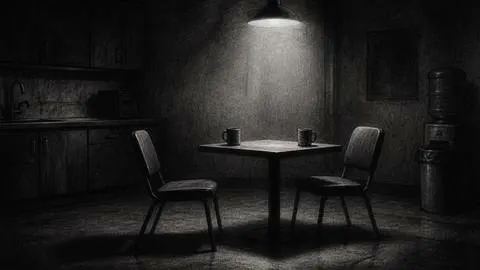
The introduction.
Clarance meets Michelle through a coworker. She is persistent; something transactional begins between them. He sets a boundary he never breaks: he will not get involved in her family’s business.
IN THE BOOK · 15 Meeting Michelle - MONTHS BEFORE AUGUST 2005
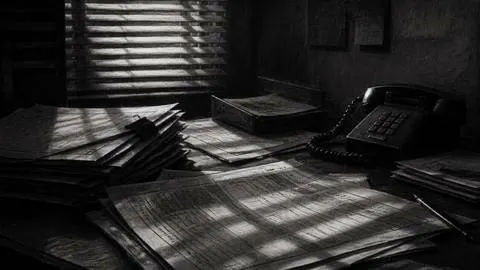
The dismantling.
Mitch Thompson goes to war with his sister’s life — reports her to her employer, Cherokee Nation housing, Section 8, and the welfare office. She is fired, her benefits threatened. She says out loud that she wants her brother dead. People hear her say it; they later testify to it.
IN THE BOOK · 16 The Path to Tragedy - A MONTH BEFORE THE MURDERS
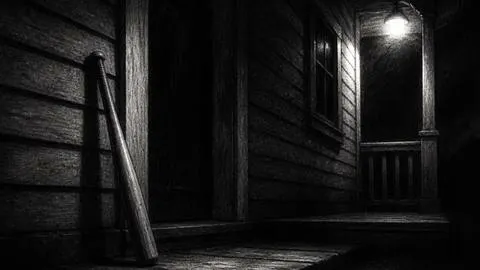
The baseball bat.
Mitch and J.R. Hoffman arrive at Michelle’s house and beat Ronald with a bat. Police decline to press charges. Ronald tells them he will handle it himself — the first thread of the story prosecutors later weave.
IN THE BOOK · 16 The Path to Tragedy - AUGUST 25, 2005 — DAY
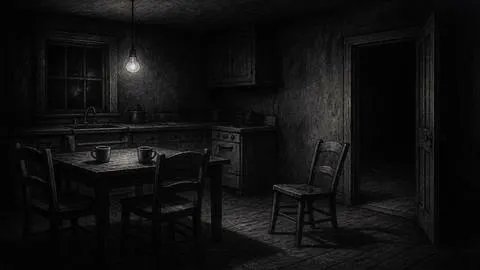
The kitchen goes quiet.
Clarance stops by Michelle’s to package marijuana. Michelle and Ronald are deep in conversation at the kitchen table — a conversation that stops the moment he walks in. Penny Avans later testifies they were planning something dark. Clarance registers the silence, finishes his call, leaves.
IN THE BOOK · 17 The Weight of Truth - AUGUST 25 — EVENING
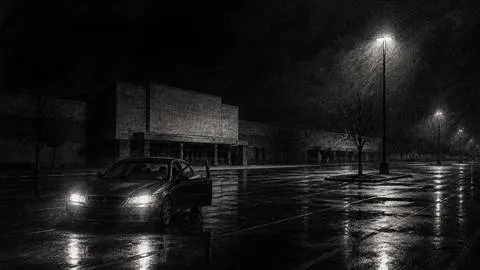
The call for a ride.
Ronald, sent home from Walmart visibly impaired, calls Clarance — he has no one else. Clarance and Kenneth pick him up. Clarance insists Ronald go to his wife’s place in Mannford, not Michelle’s. Kenneth drops Clarance at his parents’ house. Then Kenneth and Ronald drive away.
IN THE BOOK · 18 The Night Everything Changed - AUGUST 25 — NIGHT
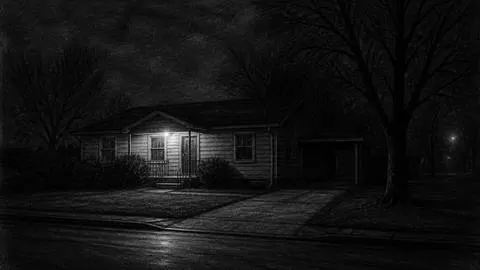
Dropped off before the murders.
Clarance’s mother and his brother’s girlfriend both later testify that he spent the night at his parents’ house, preparing for an early-morning drive to visit his brother in prison at Cushing.
IN THE BOOK · 30 The Real Timeline - LATER THAT NIGHT
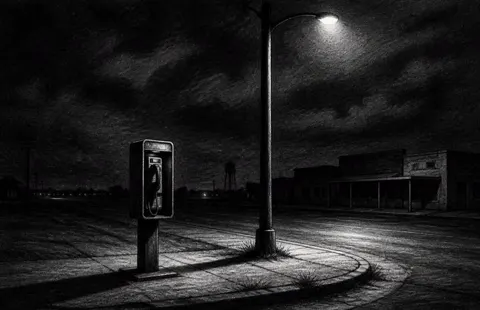
The payphone call.
Phone records show Kenneth calling Clarance from a payphone — proof the two men were not together. That single record dismantles the prosecution’s scenario.
IN THE BOOK · 17 The Weight of Truth - EARLY MORNING, AUGUST 26
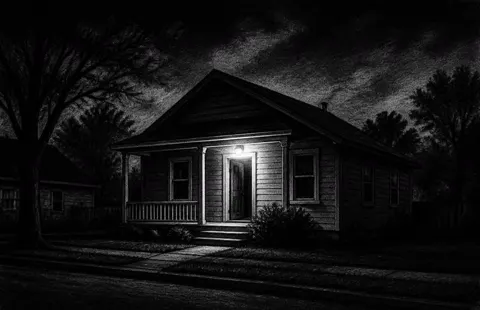
The murders.
Three people are killed in the Thompson house, including a ten-year-old girl. At the time the murders take place, Clarance is at Michael Scott’s house. Michael signs an affidavit confirming it. The timeline is not speculative. It is documented.
IN THE BOOK · 30 The Real Timeline - AFTERWARD
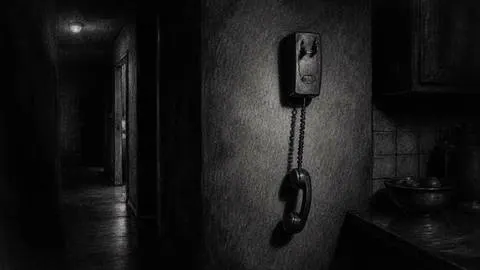
The second call.
Kenneth calls Clarance for help with a passed-out Ronald — the crime already committed. Answering that call, the instinct of a decent person, is the only thing that ever places Clarance in the vicinity of a crime he had nothing to do with.
IN THE BOOK · 30 The Real Timeline - THE NEXT MORNING
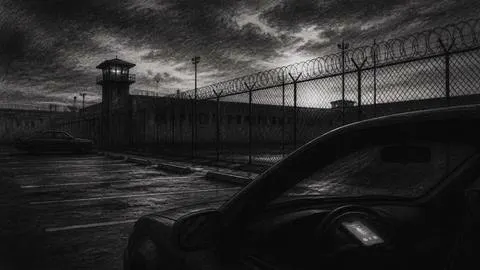
Cushing.
Clarance visits his brother in prison, leaving his phone in the car as the rules require. He walks out to dozens of missed calls. Penny tells him what happened — and tells him: “You never came back last night.” It is not an accusation. It is a confirmation.
IN THE BOOK · 19 The Morning After - DAYS LATER
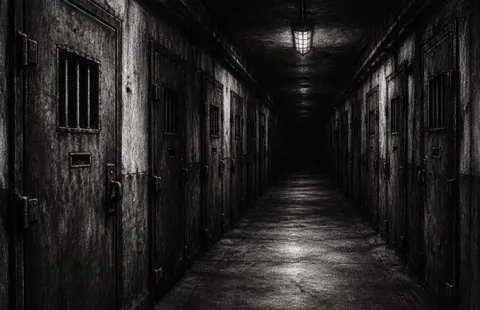
The arrest.
Clarance drives to the Owasso Police Department to help Michelle’s family find a lawyer. He knocks on the glass door and identifies himself. He is arrested the moment he says his name. The charge: material witness.
IN THE BOOK · 20 The Arrest - THE INTERROGATION
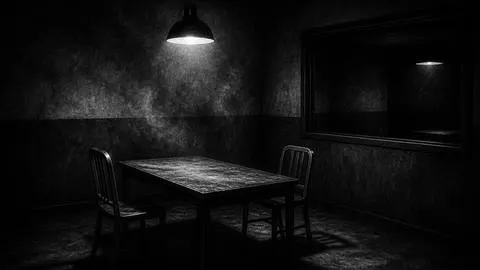
“I’m not confessing to something I didn’t do.”
He answers every question, explains his timeline, points out again and again that he was not there. None of it moves the needle. They charge him with three counts of murder.
IN THE BOOK · 19 The Morning After - THE STATE’S CASE
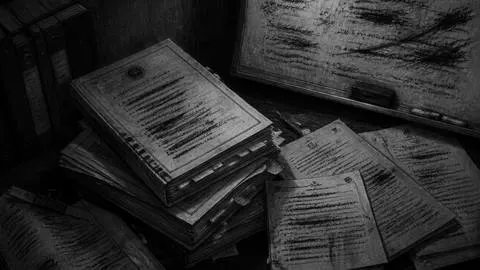
A story that will not sit still.
First a material witness. Then an accessory. Then at the scene. Then inside the house. Then one of three shooters. Then, at trial, the mastermind who fired all three kill shots himself. Different stories — each built to survive whatever disproved the last.
IN THE BOOK · 21 The Story That Kept Changing - THE SEARCH
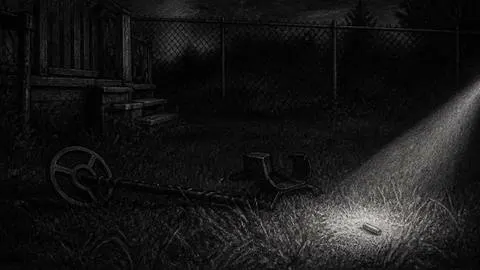
Bullets only one man could find.
Multiple officers, canine units, and metal detectors search a yard for hours and find nothing. Detective Jeff Henderson walks in alone for a few minutes and announces he has found bullets. Henderson is later convicted of planting evidence; forty-two federal sentences are overturned. Clarance has never been granted a single hearing on Henderson’s role in his case.
IN THE BOOK · 22 The Planted Evidence - THE WITNESS WHO WALKED FREE
Michelle.
Michelle — the woman with the motive, the threats, and the opportunity — is never charged as a co-defendant, a decision that preserves her testimony against Clarance. She receives probation on welfare fraud charges. She lives free.
IN THE BOOK · 29 Why Michelle Did It - TRIAL
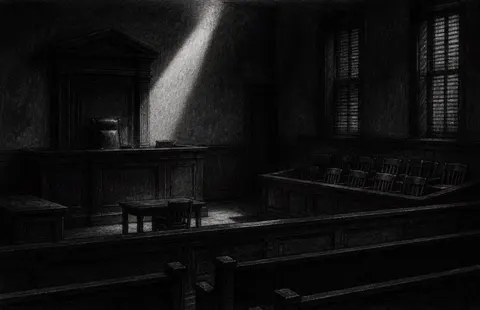
The ice storm.
The jury is assembled in one of the worst ice storms in Tulsa’s memory. Key witnesses are never subpoenaed; the alibi timeline is left incomplete. Clarance Goode Jr. is sentenced to death on a case with no DNA, no fingerprints, no weapons, and no forensic trace of him in that house.
IN THE BOOK · 25 The Trial
AUG 25, 2005 — DAY
He refuses to get involved.
Michelle’s brother Mitch has just gotten her fired, and she wants Clarance to do something about it. He tells her no — he has an early morning drive to Cushing to visit his brother in prison.
01 / 08
THE STATE’S STORY
DOES NOT
ADD UP.
- THE NIGHT
- August 25–26, 2005 — three lives taken, including a ten-year-old girl IN THE BOOK · 18 The Night Everything Changed
- THE ARREST
- Owasso Police Department — he walked in to help, and was arrested at the door IN THE BOOK · 20 The Arrest
- THE CHARGE
- “Material witness” one day — three counts of murder the next morning IN THE BOOK · 21 The Story That Kept Changing
- THE TRIAL
- A nearly all-white Tulsa jury, seated in the middle of a historic ice storm IN THE BOOK · 25 The Trial
- THE SENTENCE
- Death — on zero physical evidence, on testimony that never stopped changing IN THE BOOK · 02 Introduction
THE NIGHT“At the time the murders took place, Clarance was at Michael Scott’s house.”
IN THE BOOK · 30 The Real Timeline
THE NIGHT“Legal documentation placed the murders hours later, around one or two in the morning, when Clarance was at Michael Scott’s house.”
IN THE BOOK · 24 The Missing Evidence
THE NIGHT“Phone records showed Kenneth calling Clarance from a payphone later that night, which establishes that the two men were not together, which dismantles the prosecution’s scenario.”
IN THE BOOK · 30 The Real Timeline
THE ARREST“His first instinct was to help.”
IN THE BOOK · 20 The Arrest
THE ARREST“He was trying to help someone navigate a legal situation that had nothing to do with him.”
IN THE BOOK · 20 The Arrest
THE ARREST“He was arrested the moment he identified himself.”
IN THE BOOK · 20 The Arrest
THE CHARGE“They said material witness.”
IN THE BOOK · 20 The Arrest
THE CHARGE“First, he was a material witness.”
IN THE BOOK · 21 The Story That Kept Changing
THE CHARGE“It tried on different shapes, discarded the ones that didn’t fit, until it found a version that could be presented to a jury: not because any version was true, but because one was constructed that was serviceable enough to survive.”
IN THE BOOK · 21 The Story That Kept Changing
THE TRIAL“The jury was assembled in Tulsa, Oklahoma, in the middle of one of the worst ice storms Tulsa had experienced in memory.”
IN THE BOOK · 25 The Trial
THE TRIAL“The jury was nearly all white.”
IN THE BOOK · 25 The Trial
THE TRIAL“They were caught lying: caught contradicting themselves, contradicting each other, contradicting the physical evidence.”
IN THE BOOK · 25 The Trial
THE SENTENCE“The state of Oklahoma is preparing to kill him for three murders he did not commit: murders for which there is no physical evidence linking him to the scene, no DNA, no fingerprints, no forensics of any kind.”
IN THE BOOK · 02 Introduction
THE SENTENCE“That is how innocent people end up on death row.”
IN THE BOOK · 29 Why Michelle Did It
THE SENTENCE“He should not be on death row.”
IN THE BOOK · 35 What Remains
The Weight of
Someone Else's Sin.
Search every page of it.
Open the full reader — 37 sections